Kinleigh: The Dainty Script Font for Elegant Design Projects
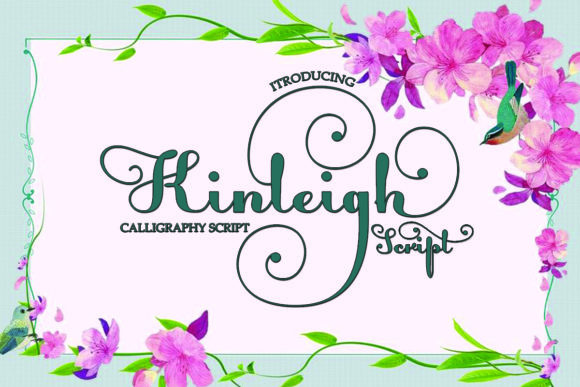
There’s a particular quality to certain script fonts that feels less like a tool and more like a collaboration. They carry a personality, a warmth that a standard sans serif font simply cannot replicate. Kinleigh is exactly that kind of typeface. It’s a dainty, elegant, and uniquely fluid script that brings a distinct romantic and lovely character to any project it touches. This isn't just another cursive font; it's a carefully crafted design asset with a voice of its own, ready to elevate your creative work from good to genuinely memorable.
The Visual Character and Personality of Kinleigh
At its core, Kinleigh is a premium font that prioritizes grace and flow. Its letterforms are characterized by thin, delicate strokes that connect with a gentle, natural rhythm. The overall effect is one of handwritten sophistication—think of the elegant script on a high-end wedding invitation or the personal touch on a boutique product label. Unlike some heavier script fonts that can feel overwhelming, Kinleigh maintains a light and airy presence. This makes it incredibly versatile as a display font, where its beauty can shine without sacrificing clarity at larger sizes.
The font’s personality is undeniably romantic and approachable. It avoids the overly formal, calligraphic rigidity of some traditional typefaces, instead embracing a softer, more contemporary style. This modern typography approach makes it feel fresh and relevant, suitable for projects that aim to connect on a personal level. Whether you’re a designer crafting a brand identity for a new bakery, a marketer creating social media graphics for a lifestyle brand, or a crafter designing a personalized gift, Kinleigh offers a visual language of care, elegance, and intimacy.
Practical Applications: Where Kinleigh Truly Shines
Understanding a font's aesthetic is one thing; knowing where to apply it effectively is where the real value lies. Kinleigh excels in scenarios where a personal, high-touch feel is desired. It’s a natural fit for the wedding industry—invitations, RSVP cards, menu designs, and thank-you notes are transformed with its lovely script. But its application extends far beyond that single niche.
For entrepreneurs and small business owners, Kinleigh can be a powerful tool for logo design and brand identity, particularly for businesses in beauty, fashion, artisan goods, or any service that values a personal connection. Imagine it as the primary wordmark for a boutique florist or a custom stationery studio. In packaging design, it can add that coveted artisanal touch to labels for candles, skincare products, or gourmet foods, instantly communicating quality and care.
Within digital and print marketing, its role is equally compelling. As a display font, Kinleigh can create stunning headlines for blog posts, email headers, or promotional flyers. For editorial design, think of chapter titles in a lifestyle magazine or pull quotes that need to draw the reader’s eye. On social media, a few words set in Kinleigh can make an Instagram quote graphic or a Pinterest pin feel more curated and engaging, helping your content stand out in a crowded feed.
Integrating Kinleigh: Font Pairing and Technical Considerations
A beautiful script font like Kinleigh rarely works best in isolation. The key to professional use is thoughtful font pairing. Because Kinleigh is expressive and detailed, it pairs beautifully with clean, simple typefaces. A classic sans serif font like Montserrat or Lato provides a perfect, stable counterbalance, ensuring readability for body text while letting Kinleigh’s headlines take center stage. For a different mood, a timeless serif font like Lora or Playfair Display can create a more traditional and luxurious feel, ideal for upscale branding.
A critical feature of Kinleigh is that it is PUA encoded. This is a practical detail that significantly impacts usability. PUA (Private Use Areas) encoding means that all the font’s stylistic alternates, swashes, and ligatures are accessible through standard software, without needing advanced design programs. This is a huge advantage for crafters using hobbyist software, marketers working in Canva, or small business owners creating their own materials. It democratizes access to the font’s full creative potential, allowing you to add those beautiful flourished letters and decorative elements with ease.
A Designer’s Checklist for Using Kinleigh
- Evaluate Project Fit: Is your project’s goal to feel personal, romantic, elegant, or artisanal? If yes, Kinleigh is a strong candidate. For projects requiring a stern, technical, or ultra-modern vibe, consider a geometric sans serif font instead.
- Test Readability: Always test your chosen words at the intended size. While Kinleigh is clear for a script font, avoid using it for long paragraphs of small text. Its strength is in headlines, logos, and short, impactful phrases.
- Explore the Glyphs: Don’t just type and go. Open your software’s glyphs panel to explore the alternate characters. Swapping out a standard ‘h’ for a flourished one can completely change the word’s energy.
- Check the License: As a commercial font, ensure you have the correct license for your project. If you’re using it for a client’s logo or on products for sale, verify that the license permits such use. Reputable font marketplaces provide clear licensing terms.
In the world of modern typography, having a diverse toolkit of design assets is essential. Kinleigh is more than just a creative font; it’s a versatile voice that can articulate elegance, warmth, and personality. By understanding its visual character, knowing where it performs best, and applying it with thoughtful pairings and technical savvy, you can leverage this beautiful typeface to create work that resonates deeply and leaves a lasting impression.